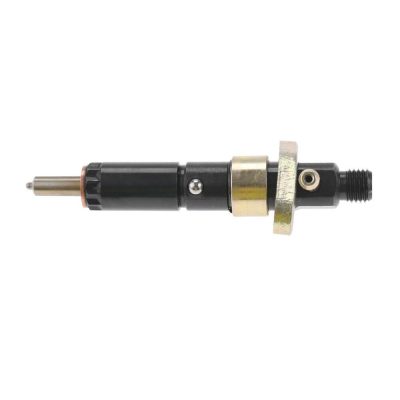
Diesel Generator Injector Needle
The diesel generator injector needle, also known as the injector nozzle or fuel injector, is an important component of the diesel engine fuel system. It is responsible for delivering precise amounts of fuel to the combustion chamber at the proper time and in the proper pattern to ensure efficient combustion.
The injector needle is a small, nozzle-like component that sprays atomized fuel directly into the engine’s combustion chamber or pre-combustion chamber. Its design and construction are essential for achieving proper fuel atomization, optimizing combustion efficiency, and maximizing engine performance.
Structure and Operation of the Diesel Generator Injector Needle
An injector needle consists of two sections. The holder section includes the valve spring, valve spring seat, pressure rod, and several other minor components. The next section is the injector nozzle, which consists of two parts: the body and the needle valve. Diesel fuel enters the mechanical injector body from the injection pump and begins to build pressure.
When the pressure becomes sufficiently high (about 4000 psi), a check valve inside the injector lifts off its seat and fuel is injected. Any excess fuel remaining after the valve opens returns through the injector body and then flows back to the fuel injection pump. In fact, it is this pressure that causes the injector valves to open for fuel injection.
Injector Nozzle Operation
Before fuel is delivered by the injector pump, the needle valve is held closed by its spring. When the injector pump begins pumping, pressurized fuel is forced toward the injector needle under high pressure and moves downward inside it until it reaches and surrounds the nozzle needle valve.
The tip of the needle valve has a conical shape and is lifted from its position by the incoming fuel pressure. At this point, the spring is compressed and causes the needle valve to separate from the seat. As a result, the fuel enters the small nozzle holes under high pressure and flows into the combustion chamber.
Key Points About the Diesel Generator Injector Needle
Fuel Injection: The injector needle is responsible for directly injecting atomized fuel into the combustion chamber or pre-combustion chamber of the diesel engine. This process is essential for fuel combustion and power generation in the engine.
Precision and Timing: The injector needle must deliver fuel in a precise spray pattern and at the correct moment in the engine cycle to optimize combustion efficiency and power output.
Durability: Injector needles are exposed to high-pressure fuel and extreme temperatures, so they are usually made from durable materials such as stainless steel or other high-strength alloys to withstand these conditions and also provide good resistance to wear.
Atomization: The design and construction of the injector needle are very important for achieving proper fuel atomization, breaking the fuel into fine droplets to facilitate efficient mixing with air for combustion.
Engine Performance: The performance of the injector needle directly affects engine power output, fuel efficiency, emissions, and overall smooth operation.
Plays a vital role in delivering fuel to the combustion chamber of a diesel engine and affects its performance, efficiency, and emission characteristics. Its design, precision, and durability are essential for optimal engine operation.
Injector Needle Components
Nozzle: The nozzle is the part of the injector that delivers fuel to the combustion chamber. It consists of a small orifice and is designed to atomize the fuel for efficient combustion.
Injector Body: The injector body houses the internal components and provides the mounting point to the engine.
Plunger: The plunger, also known as the needle valve, is a precision-machined component that controls the flow of fuel into the combustion chamber. It is activated by the engine’s fuel injection system to open and close the nozzle at the correct times.
Control Valve: In modern common rail diesel systems, injectors often include a control valve that precisely regulates fuel flow and injection timing. This component is controlled by the engine electronic control unit (ECU).
Solenoid Valve: In some injector designs, a solenoid valve is used to operate the control valve. The solenoid valve is an electromechanical device that opens and closes the control valve based on signals from the ECU.
Seals and O-Rings: Various seals and O-rings are used throughout the injector to prevent fuel leakage and ensure proper sealing of the internal components.
Fuel Inlet and Outlet Ports: The injector has ports for receiving high-pressure fuel from the fuel supply system and delivering it to the nozzle for injection into the combustion chamber.
These components work together to accurately meter and deliver fuel to the engine cylinders, contributing to efficient combustion and optimal engine performance. Regular maintenance and care of these components are essential to ensure the longevity and reliability of the diesel engine fuel injection system.
Types of Injector Needles
Each type of injector needle is designed to meet specific performance requirements and is selected based on factors such as engine design, fuel pressure, and combustion characteristics.
Injector needles can be classified into several types based on their design and application. Some common types of injector needles include:
Single-Hole Injector Needles: These needles have one hole for fuel delivery and are commonly used in light-duty diesel engines.
Multi-Hole Injector Needles: These needles have multiple small holes for fuel delivery, which helps improve fuel atomization and mixing with air. They are often used in modern high-performance diesel engines to improve combustion efficiency.
SAC-Type Injector Needles: These needles have a small chamber or sac at the tip that helps improve fuel distribution and atomization. They are suitable for applications that require precise fuel delivery.
Pintle Injector Needles: These needles have a pin-like design at the tip that helps control the fuel spray pattern and droplet size. They are often used in direct injection systems for better combustion control.
Ball-Seat Injector Needles: These needles have a ball-shaped seat at the tip that provides better sealing and precise fuel delivery. They are commonly used in high-pressure fuel injection systems.
Injector Needle Service and Maintenance
Injector needle maintenance is very important to ensure the proper operation of diesel engines. Here are several key points to consider:
Regular Inspection: Injector needles should be inspected at regular intervals according to the manufacturer’s recommendations. This may include visual inspection for signs of damage or wear as well as testing for proper fuel delivery.
Fuel Quality: Using high-quality fuel is essential for maintaining the health of injector needles. Contaminated or low-quality fuel can lead to clogging, wear, or injector damage.
Cleanliness: Keeping the fuel supply system clean is important. This includes using fuel additives to prevent the buildup of deposits and contaminants that can affect injector performance.
Filter Maintenance: Regular replacement of fuel filters is very important to prevent debris from reaching the injector needles. Clogged filters can cause pressure drops and damage to the injectors.
Professional Inspection: If you notice any signs of injector needle problems, such as rough idling, reduced performance, or excessive exhaust smoke, it is important to have the injectors inspected by a qualified technician.
Replacement: Injector needles have a useful service life and should be replaced or serviced according to the manufacturer’s recommended intervals. Delaying the replacement of worn injector needles can lead to engine damage and reduced efficiency.
Use of Genuine Parts: When replacing injector needles, it is very important to use genuine or high-quality replacement parts to ensure proper fit and performance.
Performance Monitoring: Monitoring engine performance and fuel consumption can provide early indications of potential injector needle problems.
By following these maintenance practices, diesel engine owners can ensure that their injector needles operate efficiently and contribute to the overall performance and longevity of the engine.
Symptoms of Diesel Injector Needle Failure
Please note that if you encounter any of the following signs, you should take action to repair the issue as soon as possible, because ignoring it can expose your equipment to much more serious problems.
- Reduced engine power and performance
- Sudden increase in fuel consumption in the equipment
- Engine misfiring when starting the equipment
Problems Caused by Injector Needle Failure
If this component fails, the following problems may occur:
If you experience reduced power and performance in your equipment, a defective injector needle may be one of the causes.
If the injector needle is blocked, the fuel delivery process in the equipment will encounter problems, and under these conditions, instead of operating smoothly, the diesel generator will vibrate.
If this component becomes clogged, fuel will not be sprayed onto the air valves, causing the engine to malfunction under these conditions. As a result, the engine will overheat and the possibility of combustion in the equipment will increase.
A problem with the injector needle, even when your equipment is turned off, can cause sudden fuel delivery when starting the diesel generator. Under these conditions, the engine will not operate properly and will misfire.
You should also know that if the fuel consumption of the equipment suddenly increases, the cause of this problem may be a fault in the injector signal.
Causes of Injector Needle Failure
Contaminated Fuel: Impurities and water in the fuel can damage the injector needle and lead to wear and premature failure.
Wear and Tear: Over time, the continuous high-pressure operation of the injector can cause wear to the needle and nozzle, resulting in reduced performance and eventually failure.
Poor Maintenance: Inadequate maintenance, such as frequent fuel filter replacement, can allow contaminants to reach the injector, accelerate wear, and lead to failure.
Fuel Quality: Low-quality or contaminated fuel can lead to deposits and clogging inside the injector, causing performance problems and possible failure.
Overheating: Excessive heat in the combustion chamber can damage injector components, including the needle.
Improper Installation: Improper installation or adjustment of the injector can lead to premature wear and eventually needle failure.
Excessive Wear Due to Mileage: Injectors in high-mileage engines may experience wear that leads to failure over time.
It is important to address these potential causes by following proper maintenance procedures, using high-quality fuel, and ensuring that the engine operates according to the recommended parameters to prevent premature injector needle failure.
How to Inspect and Maintain a Diesel Generator Injector Needle
To inspect your fuel injectors, you can proceed as follows: first, set your diesel generator to idle mode and then loosen the high-pressure fuel lines of each cylinder. Close the fuel injection valve and then observe the color of the exhaust smoke. When the faulty fuel injector stops injecting fuel, the operation of the high-pressure fuel lines improves significantly. If the injection of a healthy injector is stopped, the engine smoke color does not change significantly. The speed also decreases considerably.
A damaged injector should be replaced immediately with a healthy injector. To obtain genuine diesel generator parts, you can get assistance from the experts at Sepehr Sanat Sava Energy by providing the part code (part number) and your engine model.
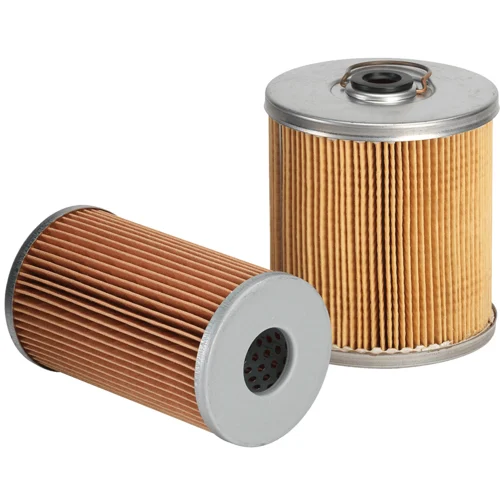
The pressure that causes the diesel generator injector nozzle to open and inject fuel is adjusted by a spring located above the injector rod. During operation, the operator must continuously check the fuel injection pressure. This pressure should be checked according to requirements, and continuous increases and decreases in it have a negative effect on the performance of the diesel generator engine. To ensure fuel cleanliness, you should inspect the oil filter core located at the injector inlet. Also, the clearance between the fuel inlet and the inlet joint is between 0.025 and 0.055 mm.
If your fuel is contaminated or has remained inside the tank for a long period of time, it must be replaced to prevent damage to the diesel generator injector.
Methods for Disassembling and Troubleshooting the Diesel Generator Injector Needle
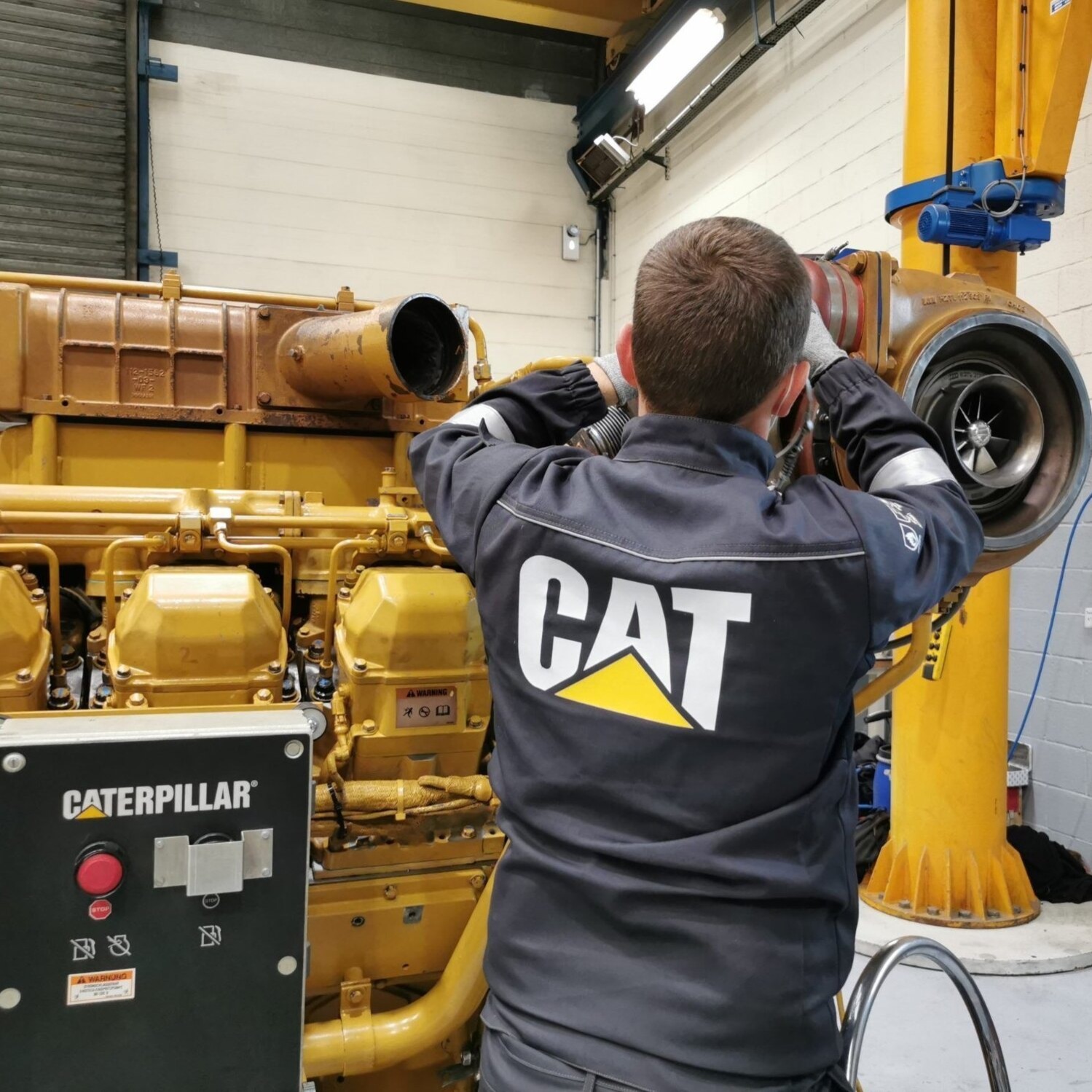
First, you should know that the injector needle is one of the most sensitive components of a diesel engine, which is why the injection angle must be properly adjusted when installing the generator. Therefore, for repairing or replacing this component, you must seek help from an experienced and skilled technical specialist.
Sava Energy Company, with its team of experts and technical specialists, is ready to provide injector needle repair or sales services.
First, you should loosen the pressure adjustment nut. Then hold the injector with a wrench and loosen its nut. Next, open the various parts using a wrench. Finally, place all the components inside a container filled with gasoline or diesel fuel (you can also use thinner or acetone). Then, using a copper brush, gently clean and remove carbon deposits from the components.
If your fuel needle valve becomes clogged, insert a wire covered with a soft cloth into the valve from the end section, rotate it gently, and then pull it out firmly.
However, if the conical surface of the injector needle valve is dirty, you can use a small drill bit or steel wire to dredge and clean the fuel injection passage. Finally, securely reinstall the injector components in the same order in which you removed them. It is recommended that this type of cleaning be performed only by professional technicians. Special solutions poured into the fuel tank are mainly used for cleaning injectors.
For better and more accurate diagnosis of diesel generator injector faults, you can test them on a special test bench. If any of the following faults occur in this component, they must be corrected quickly (mainly through cleaning):
The fuel injection volume is lower than the specified pressure.
There is no mist during fuel injection, and its cutoff is not clear. Or dripping occurs.
The spray hole is clogged, or the fuel spray mist coming out of the four injector openings is uneven and their lengths are different.
Severe carbon deposits are present on the nozzle head.